
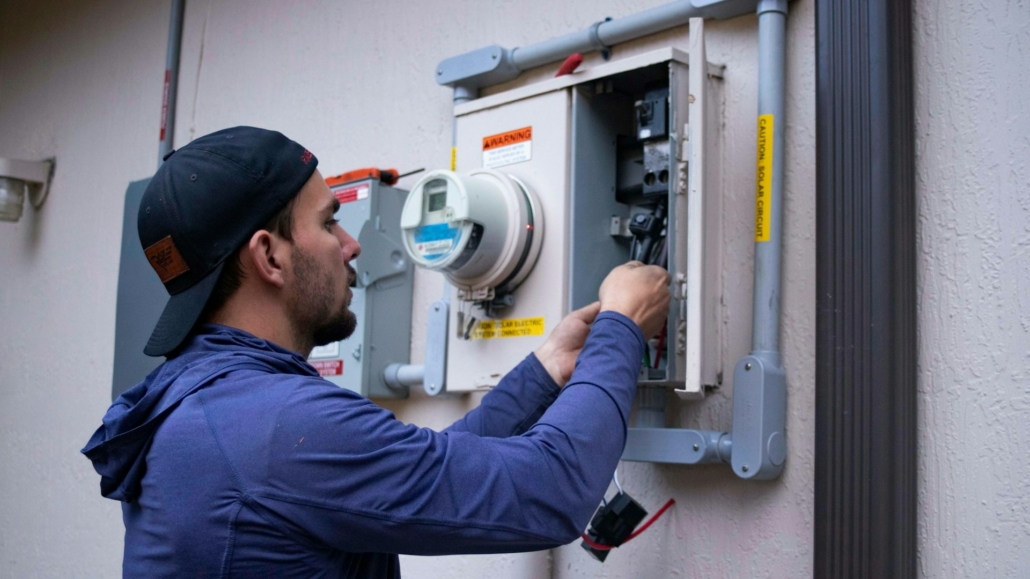
Repair Electrical Problems Before They Get Worse
Electrical issues rarely start as major problems. Most show up in small ways at first, maybe a flickering light, a plug that feels warm, or a switch that buzzes quietly when used. These little signs are easy to overlook, but they usually mean something’s wrong behind the scenes. If left alone, they tend to get worse.
As the autumn evenings in Brisbane start to cool down, we all rely a bit more on heaters, indoor lights, and electric appliances. That increased load can push already weak systems closer to failure. The rise in usage puts stress on circuits and wiring, which may have already developed minor faults during the summer months but are only now starting to show signs. Knowing when to repair electrical faults early doesn’t just prevent bigger costs later, it can make your home or workplace a safer place to be. Being proactive now means you won’t be caught off guard if further issues develop as winter arrives.
Recognising the First Signs
Some of the most serious faults begin with small warnings. They don’t always shut things down suddenly, but they do change how your systems behave. Paying attention to those early signs helps us act before there’s real damage.
- A buzzing sound from a light fitting or switch may point to a loose wire or contact
- Lights that flicker or dim could mean connections are ageing or overloaded
- Power points that feel loose, warm, or unreliable when used may have damage behind the wall
- Circuit breakers that trip once and stop might seem random, but often point to short-term shorts or moisture
It’s easy to ignore these little changes in daily routines, but doing so can make things worse. Over time, a small flicker or a faint hum can become a larger hazard to both people and property. Listening to your instincts when something feels off helps prevent more time-consuming repairs later on.
We always ask people to trust those gut feelings when something feels different. It’s better to be cautious than to need urgent repairs later on.
What Happens When You Wait Too Long
We’ve seen small faults turn into emergencies, often because no one spotted, or acted on, the early signs. Cables in walls and ceilings aren’t made to carry problems for long. Once they’re damaged, wear can spread fast.
- A wire that’s stretched or fraying inside a conduit can spark or melt its casing
- Tripping breakers are more than a nuisance, they’re built-in safety mechanisms preventing fire and failure
- Over time, heat from a struggling connection can warp sockets and crack switch casings
- Outdoor outlets and garden lighting are especially vulnerable when late-season moisture sets in
Letting problems build up can mean increased risk to safety, not just inconvenience. If each occurrence goes unnoticed or unaddressed, it adds up until a sudden trip or visible fault occurs. The cumulative effect on your property’s safety systems can be significant. It’s better to intervene at the first opportunity, as this reduces the need for costly or more intrusive repairs. The cooler nights of autumn in Brisbane mean outdoor gear like heating, lighting, and extension points are touched more often. If problems exist in those spaces, they’re more likely to show up now. Waiting only gives faults more time to spread.
Areas of the Home That Are Often Missed
Not all problems show up where we expect. Many develop in places we don’t use every day, or where equipment hasn’t been checked in years.
- Garages and sheds tend to have temporary lighting and old leads under dust or debris
- Outdoor lighting setups often suffer heat stress and UV damage over summer, then fail during autumn storms
- Ceiling fans see more use as homes transition from humid to cooler months, and ageing contact points inside can shake loose over time
- Older fuse boxes or circuit panels may be carrying upgraded appliances without updated wiring to match
With so many electrical features scattered around the property, it’s easy to forget about spaces like the garage, laundry, or even outdoor patios where slow, hidden deterioration may be occurring. These locations might not see daily use, so small issues remain unnoticed until something more disruptive happens or a safety concern emerges.
Some of these fail without any warning. But in many cases, problems start out visible. A light that takes a second longer to come on or a plug that buzzes quietly may be the only red flag before equipment faults out completely. Checking each area in advance, especially where water or weather exposure has been possible, is a smart routine each season.
Benefits of Regular Checks by a Professional
Getting inside a wall or a switchboard takes more than a quick glance. That’s why regular checks help us catch deeper faults before they create risk or interruption. We use load testing, thermal scanning, and other tools to monitor what the cables, breakers, and switchgear are doing under pressure.
- We check for small cracks, signs of heat stress, or contact wear at every junction
- Equipment is tested live and under normal-use loads whenever safe to do so
- If we find unexpected draw or resistance, it tells us a fault may be hiding inside the wall
- Balancing the load across your system can also stop appliances from failing early
Routine inspections allow experts to see beyond the surface. A professional can spot subtle changes in the way switches, panels, and outlets behave, catching issues before a visible problem appears. Testing live circuits under typical loads reveals stress that may not present when nothing is running. This approach helps address weak spots before they develop into shutdowns or shorts.
These checks don’t always mean replacements. Often, it’s about catching wear before it becomes failure, saving the home or business from bigger disruptions later on. Preventative checks also help schedule repairs at a convenient time, reducing after-hours callouts and keeping the building safe year-round.
Staying Ahead of the Problem
It’s always better to be ahead of a problem than behind it. Actively checking and sorting smaller faults means fewer emergency fixes, less equipment going offline, and longer life for your appliances and electrical gear.
This time of year is ideal for a system check. As Brisbane moves through late autumn, we’re switching back on heaters and using internal spaces more. Transitioning to cooler weather changes how homes and businesses use electricity, making faults that only happened now and then during summer suddenly more common. That change in demand makes it the right time to look at the parts of your home and business that carry extra load.
When we repair electrical faults early, we make the space safer, more efficient, and more reliable. Taking timely action extends the life and performance of electrical systems, preventing a series of ongoing problems from affecting your daily routine as colder weather sets in. It’s not just about avoiding cost, it’s about stopping those quiet signs from turning into something bigger later on. Regular checks and small fixes keep everything running smoother for longer.
Noticing issues like flickering lights or switches that don’t feel quite right can mean there are deeper electrical problems. Taking care of these early helps prevent bigger headaches as winter approaches. For a closer look at how these situations are handled, check our page on repair electrical issues. When you’re ready, reach out to Thomas Blake Electrical and we’ll make sure everything is in order.

