
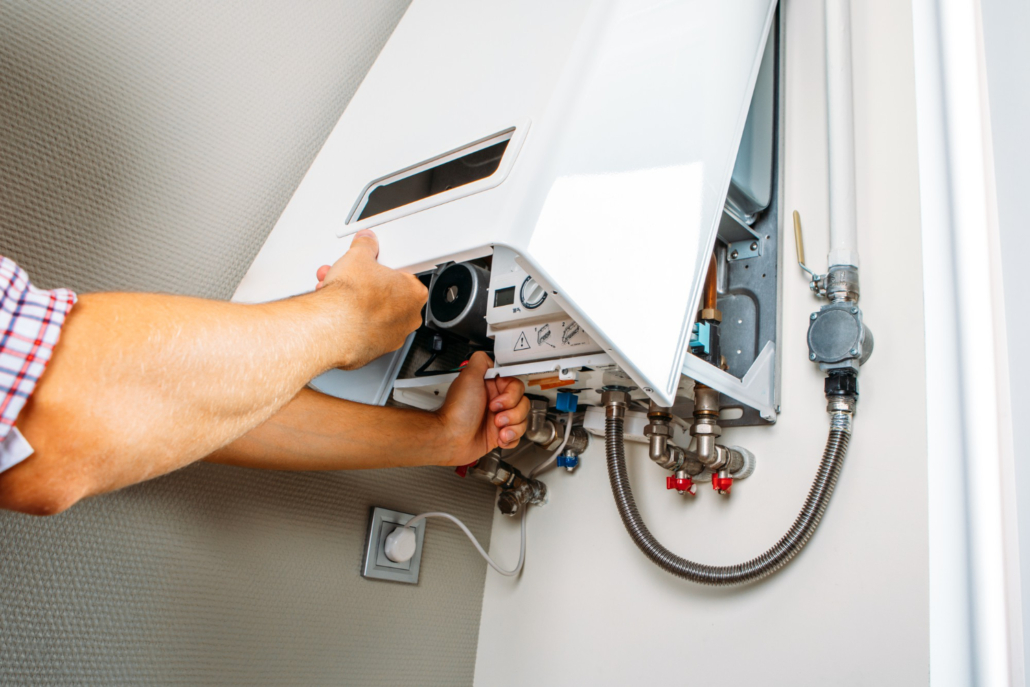
Do You Need a Hot Water Electrician After Summer Breaks?
After weeks of hot weather, summer storms, and heavy household use, many homes in Brisbane start to show small signs of wear. One common place where this happens is the hot water system.
Some people notice their water takes much longer to heat. Others get stuck with a system that suddenly cuts out or smells strange. These types of changes might not seem serious at first, but they can point to trouble in the wiring or heating element. If this sounds familiar, a hot water electrician may need to take a closer look.
We’ve seen this happen often right after summer break. With holidays and heat waves winding down, these problems can quietly build up. Taking a few minutes to check can help avoid bigger headaches later on. When the heat settles down around February and March, it’s common to realise something in the house isn’t working as smoothly as before. Sometimes the only sign is a lukewarm shower just when you start to need hot water again. Building up awareness of common warning signs now can help you get ahead of faults that happen more often as seasons change and demand increases.
Why Hot Water Systems Struggle After Summer
Hot water systems work hard all year long, but summertime can push them in ways you may not expect. The problems aren’t always obvious until the weather cools and you’re using hot water more often again.
- Over the holidays, extended shutdowns can leave parts of the system sitting idle. This makes it easier for sediment to build up, which affects heating performance.
- High February temperatures can mask early signs of trouble. If the water isn’t heating fully, you might not notice while the weather is still warm.
- Summer storms often bring quick, strong power surges. These can quietly damage the electrical parts of the system without setting off any alarms right away.
If your system is older or hasn’t been checked in a while, these issues can build up without much warning. Sometimes even newer units experience surprise faults if they’re constantly working overtime with visitors or if the property’s circuit breaker gets overloaded by extra appliances. The combination of heat and frequent storms can wear down electrical parts faster than expected, especially if the hot water system has to work through power fluctuations or short blackouts. Even just a couple of weeks of higher use during family gatherings can finish off elements that were already close to their limit, so it’s smart to know how to spot changes early.
Signs Your System Isn’t Just Tired, It’s Faulty
There’s a difference between a system that’s just working extra hard and one that’s heading toward failure. Some symptoms are easy to dismiss at first, but they’re a good clue that something deeper may be going on.
- If your hot water now takes twice as long to reach the tap or doesn’t last through a regular shower, the system might be struggling with more than just demand.
- You might hear buzzing or unusual clicking from the unit. Sometimes there’s a faint electrical smell near the cupboard or switchboard.
- Sudden shut-offs or cold bursts signal consistency problems. If the temperature or pressure changes quickly, especially in older systems, it’s worth checking further.
Even if the water comes back to normal later, getting these issues looked at can save time and stress down the road. Other small clues can include new stains on the wall near the unit or small puddles, but what really signals electrical issues is the new sound or smell that won’t go away. If the system used to give you steady hot water and now it’s a mixed bag, that’s a sign it needs more than just a reset. Sometimes, family members notice the change differently, maybe one person gets a cool shower in the morning and the next gets an unexpectedly hot one. These erratic changes are worth noting, even if you’re tempted to hope the problem just fixes itself. Writing down when faults happen, how long they last, or what else is running in the house can help narrow down what the real cause might be.
Common Causes That Require a Hot Water Electrician
Not all hot water issues come from the plumbing side. A number of common faults are tied directly to electrical components like wiring, switches, and thermostats.
- If the thermostat fails or starts to read incorrectly, the system might think the water is already hot when it isn’t. A licensed hot water electrician will be needed to fix or replace that part safely.
- Heating elements can burn out, especially after overloads during summer. You might still hear the system turning on, but the water stays cold. This isn’t something a plumber can resolve, it’s electrical.
- Sometimes the issue comes down to the switchboard. Faulty safety switches or relays connected to the hot water line can trip or fail completely, cutting power to the unit without warning.
In each of these cases, trying to restart or reset things yourself might make the problem worse or cause more damage. That’s why safe, trained handling is important here. Another common electrical problem is loose or corroded wiring, which becomes more likely in humid or storm-prone areas like Brisbane. Wires that aren’t properly connected or protected can stop the system from working or create a hazard that’s hard to see but dangerous over time. If the system’s timer isn’t set right after power cuts, it may not heat when you expect it to, which again is something a skilled electrician should handle. Issues in the main circuit or worn-out relays can lead to the unit switching on and off at odd times, leaving you without hot water when you need it most.
What to Do Before Help Arrives
While you wait for a hot water electrician to inspect the system, you can do a few simple checks that don’t involve opening anything up. These can help spot where the issue might be and make it quicker to fix.
- Start by checking if other appliances on the same circuit are acting strange or losing power. That might point to a larger switchboard issue rather than something with the unit itself.
- Look for any blinking lights or screen messages on your system control panel if it has one. If it’s showing an error code, don’t try to reset, just write the number down and leave it powered off.
- If a fuse or breaker keeps tripping when you try to restart the system, leave it off. Forcing it back on multiple times can cause more wear or even a short.
Noticing these signs early and passing them on helps save time later. It also keeps you and your home safer while waiting for the unit to be checked. Take a moment to see if anyone else in the house has had issues with their showers or taps, and note if it only happens at certain times of day. Sometimes power problems show up during peak usage or after storms. If you have an older manual system, jot down anything different about how the lights or buttons behave, flickers, static, or unusual displays can help a professional pinpoint the fault much faster. If you hear water escaping, smell something burning, or see smoke, don’t touch the unit at all, move everyone away and wait for advice from a qualified person.
Hot Water Ready for the Months Ahead
As Brisbane shifts into autumn, post-summer faults tend to show themselves more clearly. The heat starts to fade, and we begin relying more on hot water again, putting added pressure back on systems that may have taken a hit during summer.
Catching these problems early means smaller repairs and fewer surprises. Whether it’s frayed wiring, a tripped circuit, or a weak heating element, these are best handled before they lead to larger faults or safety issues.
For homes across Brisbane, making sure everything’s running smoothly now helps ease into the cooler months without disruptions. A little attention now keeps everything steady when you need it most. If you’re not sure whether the changes you notice are simple quirks or signs of something bigger, it always helps to check in with a professional. These seasonal shifts are the right time to catch up on routine checks or repairs, giving peace of mind just as the cooler nights start rolling in across the city. By keeping on top of maintenance, you’ll stay clear of big bills and enjoy steady hot water just as life gets more hectic after summer.
When your system starts acting up after summer, with strange clicks or unexpected cold spurts in the shower, it’s a good reminder to stay ahead of electrical faults for a safer, more reliable home in Brisbane. We see these issues all the time as hot water systems work harder, so it pays to catch problems early. For more details on what a hot water electrician can assist with, reach out to Thomas Blake Electrical if anything sounds familiar.

