
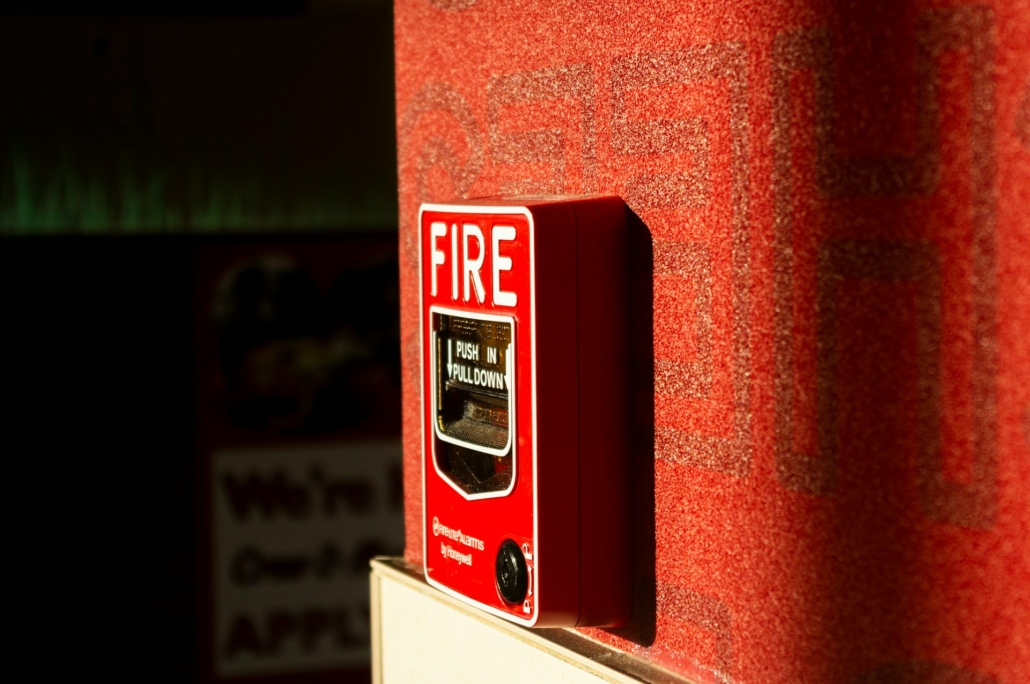
Fire Alarms in Brisbane: When Should You Replace Them?
It’s easy to overlook your fire alarm until it starts acting up or fails when you really need it. In Brisbane, where late summer can bring dry conditions and surprise storms, having a working fire alarm means more than just ticking a safety box. The mix of heat, moisture, and dust we see in February and March can all speed up the wear on older alarms, even if they still look fine from the outside.
Knowing when to replace fire alarms in Brisbane isn’t always simple, but there are some clear signs to guide that decision. From random false alarms to silent failures during testing, we see patterns that point to age, damage, or unseen problems inside the device. Replacing them before winter sets in gives you a clear edge in staying safe through the cooler months.
How Long Fire Alarms Typically Last
Most fire alarms aren’t built to last forever. In fact, many have a lifespan of about ten years, though that can change depending on the type and the conditions they’ve been exposed to. Over time, sensors wear down, internal components lose accuracy, and even basic features like chirping to signal a low battery can stop working the way they should.
There are a few types you’ll usually find in Brisbane homes:
- Battery-powered alarms that run on 9V or lithium cells
- Hardwired models that connect directly into your home’s power with battery backup
- Interconnected systems that link multiple alarms so they all sound at once during a fire
In humid places like Brisbane, we’ve seen how moisture can get into even well-fitted alarms over time. This can corrode internal parts or make the sensors less reliable. If your home tends to get humid in summer or has poor airflow near the ceiling, it’s a good idea to check on your system sooner rather than later.
Signs Your Fire Alarm Isn’t Working Properly
Some fire alarms let you know loud and clear when something’s off. Others go quiet, giving a false sense of security. That’s why it pays to watch out for warning signs, even if the alarm still looks like it’s fine.
- Random alarms going off in the middle of the night or with no smoke present
- Test buttons that no longer trigger the sound, or only do so after several presses
- Physical wear, like yellowing plastic, rust buildup, or loose wiring at the base
These issues may seem small, but they often point to a larger fault on the inside. An old sensor may still beep on command, but miss early signs of smoke during the real thing. If your alarm goes off without cause more than once, or won’t test properly, it’s safer to treat it as unreliable until it’s replaced.
Environmental Stress Brisbane Homes Face
Brisbane homes deal with more than just heat. Summer brings dust, condensation, and unexpected power cuts that all put strain on electrics. Even the best-kept homes can trap heat in closed-off rooms, especially those not used regularly.
Here’s what we’ve noticed matters most:
- Dust buildup in ceiling corners can interfere with sensor openings
- Steam from nearby kitchens or bathrooms can warp parts over time
- Late-summer storms can trigger small power surges, knocking out hardwired systems
If your alarm is sitting near a bathroom fan or above your stove, it might be dealing with steam and warmth that slowly chips away at the components. Keeping alarms clean and away from moisture-heavy areas can help, but if they’ve been exposed for years, checking or replacing is often the better option.
Best Times of Year for Replacement or Upgrade
Right now, as summer begins to drift into March, is one of the smarter times to get your alarms checked. The weather is still warm enough to test how things respond under mild heat, but cooler seasons are on the way. Replacing alarms before we head indoors more often makes safety easier to manage.
- Hot weather can show how well batteries and sensors hold up under pressure
- Summer storms can point out weaknesses in older electrical systems
- Autumn brings more closed rooms and heating use, raising indoor risk
We always recommend tying fire alarm jobs in with general home maintenance around this time of year. Cleaning filters, checking air flow, and looking over electrical systems helps pick up on problems early, before we hit the colder, drier months where faults often get worse without warning.
What to Do if You’re Unsure
If you’re on the fence about whether your fire alarms should be replaced, there are a few simple steps to get the ball rolling. You don’t need special tools or extra hours free to do a quick check and get a sense of where things stand.
- Press and hold the test button, there should be a loud, steady sound
- Check the date stamped on the back or inside casing (anything over 10 years old should go)
- Look for signs of dust, rust, or loose parts around the mounting area
Just because an alarm still beeps doesn’t mean it’s doing a good job. If your devices are nearing ten years of age or give mixed results during testing, it’s usually safer to opt for a new one. That way, you’re not left guessing if they’ll work when you need them most.
Better Safe Than Sorry: Why a Check Now Pays Off Later
Late summer in Brisbane brings a lot of wear to even the best home systems. High temperatures affect sensor accuracy, while storms and humidity quietly wear things down. Fire alarms don’t show these issues plainly, which is why small checks now can make a big difference heading into autumn.
Waiting until something goes wrong means you’re working under pressure, maybe during storm season or before guests arrive for school holidays. Doing it early, under calmer conditions, lets you plan simple upgrades or replacements with less hassle. Whether your alarms are old, testing oddly, or have been sitting unnoticed above a steamy kitchen corner, now’s a good time to look up and take five minutes to ask what shape they’re in. It pays off later when you know your home’s protected without needing to think twice.
Staying on top of your smoke alarm maintenance is a smart move, especially with Brisbane’s unpredictable weather. If your devices are past their prime, giving false warnings, or delivering silent test results, it’s worth considering a professional assessment. We’re here to help, read more about how we support safer homes with fire alarms in Brisbane or reach out to Thomas Blake Electrical to organise an inspection today.

