
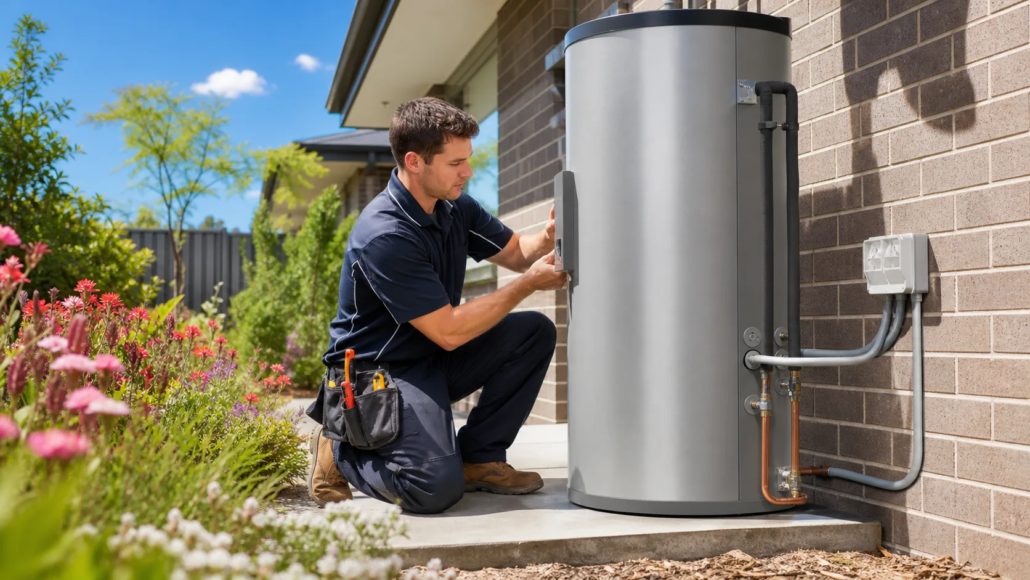
Why Spring Is the Season for Hot Water Upgrades
Spring in Brisbane comes as a welcome change. Warm days, clearer skies, and a bit more energy in the air have many of us ticking off repair jobs and planning upgrades around the house. One thing that often slips under the radar is the hot water system. After working hard through the colder months, it’s worth checking that it hasn’t picked up any strain.
Now’s a good time to think about repairs or even a full upgrade before hot weather kicks in. Warmer conditions make it easier to get work done without the delays rain and cold can bring. Getting help from an experienced electrician for hot water systems can make the job safer and far more effective too.
How Seasonal Changes Affect Hot Water Performance
Through winter, hot water systems get pushed harder, especially older ones. Constant use and cold inlet water can increase pressure, speed up wear, or hide early signs of trouble. Some problems only start to show once things warm up again.
In spring, we often find units that begin leaking around valves or show signs of internal corrosion. Other times it’s the water pressure that feels off, or the recovery time after showers is slower than normal. Here are a few things that usually signal the system isn’t bouncing back well after winter:
- Minor leaks around base or pipe connections
- Less stable temperature output
- Noises from the tank during heating cycles
Doing repairs during spring is usually more comfortable for everyone. The hot days of summer make outdoor work harder and often fill trade calendars fast, so spring is a smart window for checking in.
Upgrading Before Summer: What to Consider
Hot water use doesn’t always go down when the weather warms up. Brisbane summers bring school holidays, guests staying over, outdoor showers, and more washing. That can easily put extra load on a system that’s already on its way out.
If the unit isn’t running efficiently, it can start pulling more power than it should. Solar-supported hot water setups especially need to be checked in spring, since a lagging element or faulty wiring can waste all that summer sunshine.
We recommend watching for:
- Tank age, older models may no longer meet current performance expectations
- Fittings, like pressure valves or isolation points, which can seize or block
- Water temperature, overheating or unexpectedly cool water are both signs of issues
Even if things seem to work fine, an inspection can pick up on wear long before it becomes a full breakdown.
Signs It’s Time for a Hot Water Upgrade
Not all hot water faults are obvious at first. Some creep in slowly, showing up in the form of rising power bills or odd noises you ignore at first. Upgrades don’t always mean replacing the whole system, but it pays to know when something’s not right.
Here are a few strong signs that a closer look is needed:
- Water that looks rusty or smells odd when first turned on
- A popping or banging sound from the tank
- Shower water that runs hot, then suddenly cold, or keeps shifting
These issues don’t always mean the unit is done for, but laggy performance almost always gets worse. A licensed electrician for hot water systems will know what’s worth fixing and what’s not, so small problems can be addressed before they become big ones.
Planning for Installation and Safety Checks
One of the best things about doing upgrade work in spring is that it gives us room to plan. There’s less pressure than the full heat of summer or the end-of-year holidays when things tend to get hectic.
Hot water installation isn’t just about removing an old tank and dropping in a new one. Often, we’re called in to review the wiring, make sure the isolation switch is compliant, or bring the switchboard up to safer standards.
Even smaller systems come with electrical safety requirements. That includes grounding, load control, and setting up circuit protection. Spring gives us time to fit these works in without forcing homeowners to wait till every tradesperson is booked solid.
Choosing Between Repair or Replacement
Not every unit showing signs of trouble needs to be replaced straight away. Sometimes it’s just a part or a setting that’s gone off. We’ve replaced plenty of thermostats, elements, or timers and found the rest of the system running fine.
Still, if a tank is over ten years old, running repairs can start to add up quickly. A big leak or full failure in the middle of summer can leave you without hot water for days.
To decide the best path forward, we weigh things like:
- Cost of parts versus cost of a new unit
- Potential for upcoming failures
- Compatibility with power sources or solar setups
- Tenant needs if part of a rental or shared space
Getting early advice usually helps homeowners decide with clearer costs and no surprises.
Keeping Showers Steady All Summer
Planning early means fewer hiccups when summer arrives. We’ve seen families caught off guard by a system that worked fine one week and broke down the next just when guests rolled in or school holidays started.
A spring hot water upgrade can carry you through the busiest months without a hitch. It keeps showers warm, power use steady, and worries low.
By checking the system while the weather’s still manageable, it’s easier to avoid delays or last-minute bookings. A well-timed upgrade means more reliable water year-round and peace of mind long after spring has passed.
Getting your system checked now means you won’t be left without hot water when summer hits full swing. We take care of everything from wiring reviews to system upgrades, with a focus on safety and long-term reliability. Noticing odd sounds, patchy temperatures or signs of wear could mean it’s time to speak with a licensed electrician for hot water systems. At Thomas Blake Electrical, we know what to look for and how to fix it. Give us a call and we’ll help get things sorted before the heat really settles in.

