
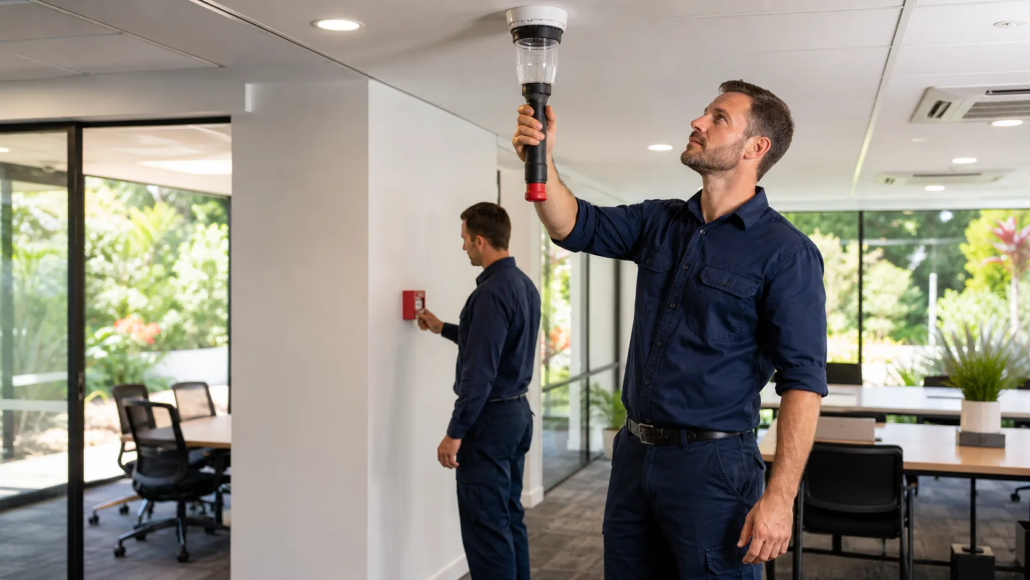
How to Spot Fire Alarm Problems Before Summer Returns
For most homes and businesses in Brisbane, fire alarms are more than just a tick on the safety checklist. With warm weather creeping in and the risk of bushfires on the rise, working alarms aren’t just useful, they’re expected. But the trick isn’t fixing them in summer when the heat is high. It’s spotting early signs that something’s off before hot days arrive.
By the time spring starts, we’ve already seen the shift in weather. Longer daylight, warmer afternoons, and heavier evening air can affect how fire alarms behave, especially older ones. Summer brings enough worry without second-guessing your smoke detectors. Here’s how we spot signs that fire alarms in Brisbane might need a closer look before conditions get tougher.
What Fire Alarms Should Do (And What Happens When They Don’t)
A reliable fire alarm isn’t just there to tick once a year when you press the test button. It should do its job properly, without delay or confusion.
- It needs to detect smoke quickly and give off a loud, steady warning
- The sound should be strong enough to wake sleepers and alert people across different rooms
- Testing it with the proper method (like using smoke test spray or button checks) should always trigger a fast and consistent response
If something’s wrong, alarms often start showing signs before they quit. Some chirp slowly or delay their response. Others go off without warning when there’s no sign of smoke or steam. In Brisbane, false alarms can be common when humidity builds up or nearby kitchens push steam close to the sensor. Dust from open windows or outdoor work can also trigger alerts when air quality shifts during dry days.
These false triggers might seem like a small issue, but they can lead people to ignore real warnings or turn the alarms off, which brings much bigger risks.
Warning Signs You Shouldn’t Ignore
Not all problems are easy to spot. Sometimes fire alarms keep working but show small changes that hint at future trouble.
- Flashing lights or short beeps when you’re not testing them
- Needing battery changes more often than expected
- Volume that seems low or uneven, especially from rooms further away
These things can sneak up slowly. A small beep here or there might be easy to ignore. But if alarms aren’t working at full strength, they won’t keep people safe when it matters most. If the flashing doesn’t match the proper test signals or the alert sound has dropped in pitch or faded, that’s often a sign of internal damage or sensor age.
We keep an eye on this, especially as it gets warmer. Lower air pressure, more sunlight, and drier air can all affect speaker function and battery life.
Check the Age and Install Location
Time is a big factor in fire alarm faults. Even alarms that look fine might stop working well if they’re past their standard lifespan.
- Most models last about 10 years from the date printed on the back, not the purchase date
- Even hard-wired alarms should be replaced if they’ve passed that age
- If the writing or warnings are hard to read, it might be time for a fresh unit
Placement can also be the reason alarms act up. In homes where ceilings trap more heat or where air doesn’t move much, sensors might misread conditions. If you’ve renovated, knocked out walls, or changed the way air flows between rooms, that can cause older placements to lose effectiveness.
Fire rises quickly, and alarms too close to hot air sources (like kitchens, bathrooms, or west-facing windows in summer) might wear out faster or trigger false warnings. We check not just how old the device is, but where it’s sitting.
It’s also worth looking at whether furniture, tall cabinets, or new curtains are blocking vents or access to airflow. In some properties, especially where seasonal rearrangements are common, these small changes in a room’s layout can impact the way air circulates and affect how quickly smoke reaches the sensor. Keeping the area around each alarm open and unblocked helps to ensure they function as they should.
Local Hazards That Can Affect Your Fire Alarms
Brisbane’s weather brings its own set of challenges, especially from late spring into summer. Changing conditions can confuse your alarm sensors or damage the parts that need to stay clean and dry.
- Dust from sudden storms or gusty winds can coat sensors
- Insects sometimes crawl into vent holes or stick to the housing
- Kitchens in open-plan homes can send steam from cooking straight to alarms even several metres away
- If you’ve got nearby bushland or construction happening, particles in the air can trigger constant false alerts
Even UV damage from long sun exposure through windows can fade units or cause their casing to crack. Moisture getting inside the sensor box or battery slot can make alarms act like they’ve lost power or stop working altogether.
Smoke detection depends on clean, clear sensors. Any buildup or interference can reduce their effectiveness without you noticing right away. We always check the space around each alarm, not just the alarm itself.
It’s also common during storm season for tiny leaks or dripping condensation to sneak into ceilings or walls. When this happens, even the best alarms won’t stay dry for long, making regular checks before and after wet weather even more worthwhile. A quick wipe or vacuum around the detector can remove dust, spider webs, or other nasties that found their way in with wind and rain.
Peace of Mind Before the Heat Hits
Getting ahead of fire alarm issues doesn’t take long, and it’s far better than worrying when summer is already here. Brisbane’s heat brings enough challenges, and alarms shouldn’t be one of them.
By checking the sound, watching for error beeps, reading the install date, and thinking about how your home has changed, we can catch small issues early. A working alarm should feel dependable. If it doesn’t, now’s the time to fix it, not when temperatures climb and the risk rises with it.
Don’t let faulty sensors, aged units or incorrect placement put your property at risk as the weather heats up. At Electric Services, we help homeowners and businesses throughout Brisbane assess the health of their systems and provide expert repair or replacement as needed. To learn more about how we handle issues with fire alarms in Brisbane, contact our team today.

