
Planning Kitchen Wiring for an Easy Spring Renovation
Spring renovations often begin in the kitchen. It’s the one place where wiring can get complicated fast, with lights, appliances, sockets, and switches all competing for space. Getting the layout and wiring sorted early makes a real difference. It keeps things moving smoothly, avoids delays later on, and helps set the kitchen up to actually work how you need it to.
We always remind people planning kitchen changes that wiring isn’t just about function. Small layout mistakes can lead to cords stretched across benches, sockets behind unreachable spots, or appliances on overloaded circuits. If you’re unsure where to begin, it’s worth talking to a licensed electrician for kitchens who can help shape the plan with both safety and convenience in mind.
Make a List of What You’ll Use and Where
The kitchen is full of decisions, and one of the most useful things you can do before anything gets installed is to picture how each part of the space will be used.
- Walk through your kitchen layout, from benches to corners, and think about how cooking, cleaning, and appliance use will flow.
- Decide where you’ll place appliances like the oven, cooktop, fridge, dishwasher, and microwave. These should also line up with suitable power outlets and isolation switches.
- Make sure you plan for smaller appliances too, such as kettles, air fryers, and mixers. These get used often but are easy to forget during planning.
- Think about where you’ll be charging phones or using tablets for recipes. Adding USB outlets or sockets in handy spots can make this easier.
- Include lighting features like under-cabinet strip lights or splashback accent lighting if they’re part of your plan.
Sketching this out or walking it through with your electrician keeps the build on track and avoids costly adjustments down the road.
Power Load and Safety Considerations
The average kitchen draws more power than most other rooms. That’s why it helps to sort the circuits well in advance.
- Each large appliance usually needs its own circuit, especially ovens and cooktops.
- Smaller appliances can typically be grouped, but you’ll want their load balanced properly to prevent tripping switches.
- Talk through how the circuits will be split up and where each one connects, especially if you’re knocking out walls or adding new cabinetry.
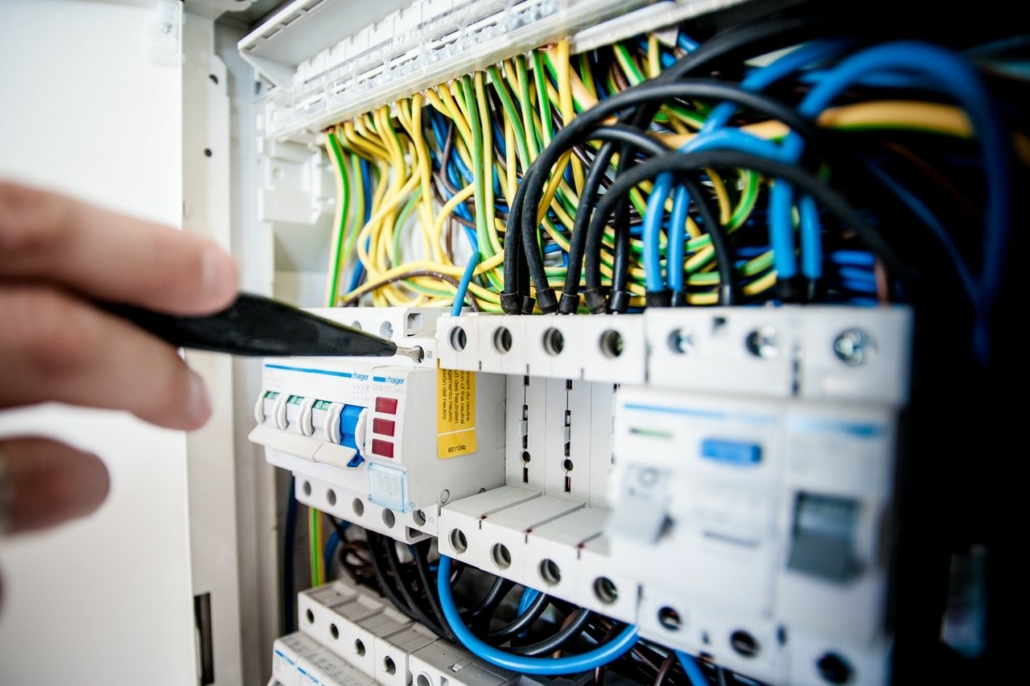
This is a good time to map out where to position safety switches and circuit breakers and how easy they’ll be to access. You don’t want to dig behind fridge panels or storage shelves if you ever need to reset a breaker. We always account for safety first, but also think long term, how easy a kitchen is to reset or service when something trips matters just as much as day-to-day use.
Lighting Types and Their Wiring Needs
Well-placed lighting makes the kitchen feel more finished and easier to work in. Getting it right depends on the space and the tasks you do there.
- Recessed downlights are common for general lighting, but you might want pendant lights over an island or central bench to give it focus.
- LED strip lighting or task lights under cabinets can help with cooking prep and reduce shadows where you’re working.
- Track lighting might suit open kitchens or if you want flexibility. Check with your electrician about the mount points and what kind of tracks each light needs.
It’s easy to forget switch locations when it’s still just walls and plans, but wiring them in the wrong spots can lead to usability issues every day. We suggest grouping switches by zones, for example, one set near the doorway, another near the pantry, so movement around the space stays simple.
Thinking Ahead for Future Upgrades
No one likes tearing into their new kitchen just to add something that wasn’t planned for. Future-proofing isn’t about guessing, it’s about including small additions that make upgrades smoother.
- Leave extra capacity in your circuit board in case you add a bigger oven, another fridge, or a zip tap later.
- Run conduit where cables might need to be added, inside walls, above cabinets, or near corner cupboards.
- If you’re thinking of a smart kitchen later, plan for those tech elements now. That might include pre-wiring for wi-fi-enabled appliances or running power near mounting points for smart displays or voice controls.
You might not install these right away, but having the foundations ready saves time and keeps your finished kitchen from being torn apart a year later.
Local Tips for Spring Work in Brisbane
September brings the start of longer days and warmer air in Brisbane, and that’s the sweet spot for indoor work before humid weather sets in.
- It’s often the tail end of winter damp, so check if any storage corners or ceiling spaces still feel damp or musty. Older wiring may show signs of wear if it’s gotten wet, especially near external walls.
- For splash zones around sinks and benchtops, only use fittings rated for wet areas. This includes light fixtures and switches if they’re in reach.
- If you’re reusing older cabinetry or fittings, keep an eye out for outdated wiring left behind in place. It might need removing altogether rather than just trimming off.
Brisbane’s spring is also a good stretch of time for upgrades without heavy storm interruptions. It means fewer work delays and a cleaner finish before holidays roll around.
A Kitchen That Works the Way You Want It
A bit of early planning makes all the difference when it comes to kitchen wiring. Knowing how you’ll use your space, where you’ll cook, plug in, and move, helps shape a layout that works from the start.
Getting the wiring right the first time brings peace of mind and smooth day-to-day use. A licensed electrician for kitchens can wire things safely and guide you on layout, power load, and small changes that help down the track. Done properly, it means fewer touch-ups and more time enjoying the final result.
Ready to start your kitchen renovation this spring? We’ll help you make sure everything behind the walls works as smoothly as what’s on show. Careful planning covers appliance load, circuit safety, and future upgrades from day one. Whether you need extra power for new appliances or want to tidy up old wiring, we’ve got the details handled. For expert advice from an experienced electrician for kitchens, contact Thomas Blake Electrical today.

