
The Truth About Short Circuits and Circuit Breakers
A short circuit in electricity usually comes out of nowhere. One moment the lights are on, the next, the power’s cut. Switches might trip, appliances shut off, and we’re left staring at the fuse box wondering what just happened. For homes and small businesses across Brisbane, these issues can show up more often as we come out of cooler months. Heating systems get packed away, but signs of wear from winter use start to show.
A short circuit in electricity happens when the flow of power takes a faster, unintended path. Instead of going through the circuit safely, it diverts, usually because of damage, age, or wiring issues. It’s one of the most common reasons circuit breakers trip, and it’s a big safety concern. Let’s talk about what really causes it, how to spot the warning signs, and what your electrical system might be trying to tell you.
What Really Happens During a Short Circuit
Every circuit in your property is meant to carry a certain amount of electricity along a controlled path. When something breaks that path, like a frayed wire or a broken outlet, the electricity can jump its course. That’s a short circuit.
This jump creates a sudden surge of current and a lot of heat very fast. That’s dangerous and can lead to burned wiring, damaged property, or in extreme cases, fire. Even a simple damaged power point or old lamp cord can trigger it.
Here are a few things we’ve seen cause short circuits in homes and small shops:
- Cracked insulation on wires behind walls
- Water entering outdoor fittings during rain
- Faulty kettles, lamps, or extension cords
- Old light fittings with loose or frayed wiring
- Power boards overloaded with too many plugs
These small issues can grow quickly and quietly, especially when systems are running hard and more often, like they do in colder months.
How Circuit Breakers Protect Your Property
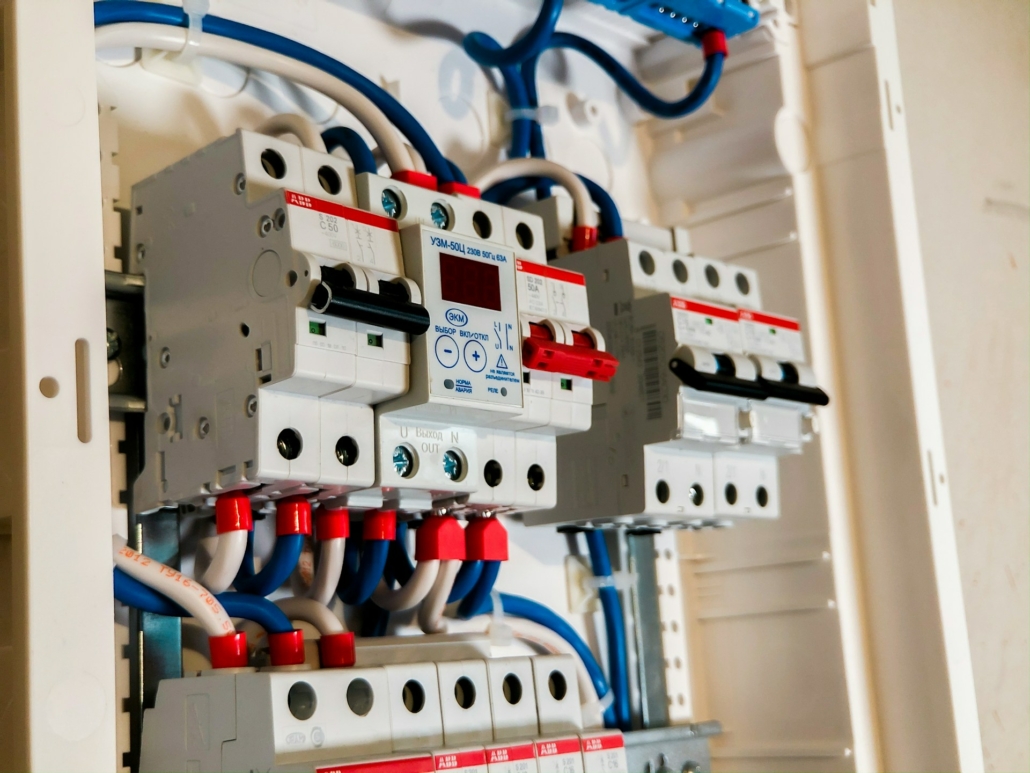
Circuit breakers are your system’s way of saying, “Something’s wrong, it’s time to stop.” They’re designed to cut the power fast when something like a short circuit happens. That shutoff helps stop fires, electric shocks, and damage to your devices.
When a breaker trips, it means it broke the flow for safety. While it can be annoying, especially when it happens more than once, it’s doing its job. Think of it like a safety switch that cuts the risk fast before anything worse happens.
Most modern switchboards in Brisbane homes have layers of protection built in. These include:
- Basic breakers that trip during overloads or short circuits
- Safety switches that cut power if they detect current leaking to earth
- Special setups for high-use items like cooktops or heating systems
If your breakers are tripping often, or if resetting them no longer works, it might mean your system is trying to flag something that needs proper attention.
Signs to Look Out For Before a Problem Gets Worse
Short circuits usually don’t happen without warning. While it feels sudden, there are often signs that came first, little things that go unnoticed or seem minor at the time.
The most common signals include:
- A burning or fishy smell near outlets or behind furniture
- Faint buzzing or crackling when you flick a switch
- Lights that dim for a moment, even when nothing new is turned on
- Frequent tripping of the same breaker
- Power outages in one room that don’t affect the rest of the home
If you spot one of these signs, tread carefully. Don’t poke into switchboards or try to access wiring. What you can do is unplug appliances from the affected circuit, note which devices were in use, and leave that circuit off until it can be looked at safely.
When Short Circuits Are More Likely to Happen
Not every season puts the same pressure on your electrical system. Winter often adds stress with heaters, electric blankets, dryers, and lights running longer hours. As things start cooling down again, those items get packed away. But even as use drops off, the signs of strain start to surface.
Things are more likely to go wrong when:
- Portable heaters are used daily then suddenly stopped, exposing older wiring
- Damp weather leads to condensation building up around fittings
- Old toasters, fridges, or fans are plugged in for the first time in months
- Worn cords are folded too tightly or stored somewhere humid
- Older wiring hasn’t been updated in decades
Many older Brisbane homes (especially those with wiring from the 70s or earlier) can be extra unpredictable around seasonal changes. The wear from winter usage doesn’t always show up until everything starts settling.
Keeping Your System in Good Shape Year-Round
We don’t have to wait until something shorts out to act. A few habits can help spot poor connections or old parts well before they trip anything. Most of it comes down to paying attention to what’s normal for your place, especially at the shift between seasons.
Try starting with:
- Regular visual checks for frayed cords, hot switches, or unusual smells
- Tracking how often your circuit breakers trip or flick off
- Listening to light switches and outlets (they should be silent when you use them)
- Unplugging old gear if it sparks or warms up near the plug
- Asking better questions when buying second-hand appliances: How old is it? Has it ever tripped a fuse? Did it come from a smoker’s house (smoke residue can be a problem)?
Around the start or end of heavy-use seasons like winter, it’s a good idea to have things looked at or at least checked with changes in mind.
Stay Safe by Understanding What Your System Tells You
Short circuits don’t just show up out of the blue. They tend to leave signs long before the lights cut or breakers jump. Circuit breakers may be small, but their job is a big one, spotting trouble before it becomes serious. And when they trip, they’re telling you something’s off.
By paying attention to small changes, like buzzing outlets, musty smells, or appliances that behave differently, we can catch many problems early. We’ve seen Brisbane homes run more smoothly when small changes or winter usage patterns are taken seriously.
Electrical safety isn’t only about technology. It’s about noticing when things feel different and knowing what looks and sounds right for your place. As daily routines shift and another winter wraps up, keeping an ear out for clicks, smells, and breaker flips can go a long way in keeping your place safe.
At Thomas Blake Electrical, we know how a wiring issue can often go undetected until it becomes a bigger problem. When your breakers are tripping or your system feels off, it could be a sign of a deeper concern like a short circuit in electricity. Addressing small issues before they escalate is one of the best ways to protect your home or business. We’re local to Brisbane and recognise the seasonal changes that can impact your electrical systems. Give us a call if something doesn’t seem quite right.
