
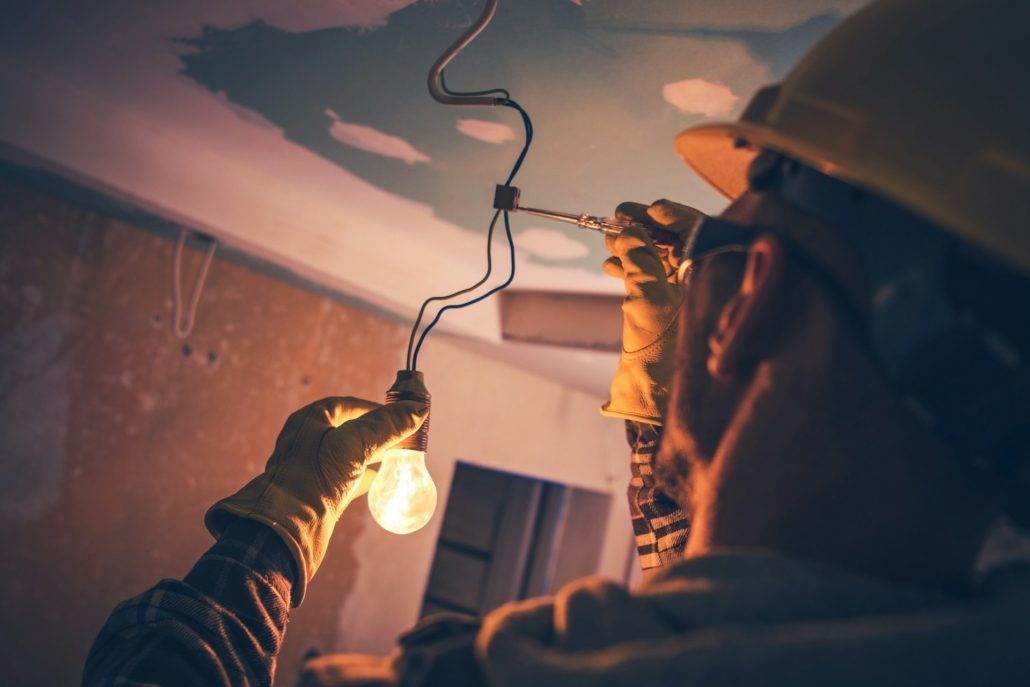
Should You Call an Electrician for Your LED Lighting?
Many homes across Brisbane are making the switch to LED lighting. It’s easy to see why. LEDs last longer, use less power, and give you more control over how your home looks and feels. You might think it’s as simple as swapping out one bulb for another, but that’s not always the case.
Sometimes, trying to do too much without proper support can create more problems than it solves. And when lighting doesn’t work, it quickly becomes frustrating. Knowing when to call an electrician for LED lighting can save you time, protect your house, and help your setup work the way you expect.
Autumn in Brisbane is a great time for these upgrades. The nights are cooler, and we all start using more lights inside. If you’ve been thinking about new fittings or better lighting, it’s smart to plan ahead before winter kicks in.
Common Mistakes People Make with LED Lighting Upgrades
When LEDs first came onto the market, many of us understood them as a direct swap for old incandescent or halogen bulbs. Pop the old one out, screw the new one in. But mistakes still happen when we assume all fittings and circuits are ready for the change.
- Not all LED globes are made to suit existing fittings, especially in older homes
- Dimmable LEDs need specific dimmer switches and compatible drivers
- Many homes overload a circuit by adding LEDs without checking how the power load adds up
We’ve seen cases where quick upgrades lead to flickering lights or switches that don’t work properly. Sometimes that’s due to inexperience, and other times it’s just because the setup behind the scenes wasn’t made for modern lighting.
When Installing LEDs Needs More Than Just a Bulb Swap
There are plenty of times when a lighting upgrade calls for more than just changing the globe. Most people don’t see what’s hidden in their ceiling or walls, so it’s easy to miss when something no longer matches up with modern needs.
- Older wiring or fittings might not support LED technology, even if the light flicks on at first
- New downlights or ceiling installs need proper support and safe routing for wires
- Outdoor lighting or grouped light controls, like mood lighting or three-way switches, often need new wiring plans
If you’re planning to add new lights where none existed before, especially in older parts of your home, it’s best to treat it like any other electrical task. The hazards aren’t always visible at first glance. That’s why we take placement, load, and long-term access points seriously.
Safety and Compliance Considerations
Swapping old lights for LEDs sounds simple until you’re faced with exposed wires, odd joins, or outdated fittings. These can all be unsafe if not checked carefully. Every home needs to meet updated wiring and safety rules. That can mean reinspecting connections, replacing unsafe parts, or reworking poor-quality installations.
- Old joints or makeshift fittings from earlier repairs can become fire risks
- Cheap fittings often come with poor-quality wiring or unreliable brackets
- Spaces like roof cavities or tucked-away switchboards raise the risk of things going unnoticed
When you bring in an electrician for LED lighting, it isn’t just about making it light up. It’s about making sure the work done today doesn’t cause problems later on. Safety builds from the inside, clean joins, matched parts, and trusted circuits all matter more than we often realise. And it matters even more in spots we rarely look at.
Seasonal Readiness: Why Autumn Is a Smart Time to Upgrade
Brisbane’s mid-autumn weather brings on longer nights, with more time spent under indoor lighting. Days grow shorter, and that means our systems are in use for longer stretches, sometimes unexpectedly.
- Autumn is the lead-up to heavier electrical use in winter, heaters, longer light use, extra appliances running more often
- Older systems might already be showing wear, and lighting upgrades put extra pressure on existing circuits
- Fixing lighting now prevents short circuits, tripped switches, or other issues during the colder months
It’s a good time to think about whether your current setup can handle it. If parts of your home still have dated fittings or wiring from older builds, now’s the time to take a closer look before the demands of winter arrive.
What You Can Expect from a Professional LED Lighting Setup
Doing lighting the right way is about more than brightness. Good setups match the feel of your rooms and make using your space better from day to night.
- A properly fitted LED setup includes smart light temperature choices for each room
- Circuits and switches are installed in logical places that match the way you live
- Clean wiring and solid fittings cut down on faults and make future upgrades easier
We don’t just think about lightbulbs. We think about how you live in the space, how often lights are used, and where extra support might be helpful later on. Doing it right once can save you from chasing faults or fixing poor work down the track.
Get Lighting That Works as Hard as You Do
Lighting should fit with the way you live, not fight against it. You don’t want lights that flicker, switches that do nothing, or rooms that feel too dim or too harsh. By planning how your LEDs work together and making sure they’re supported from behind the walls, you set yourself up for fewer problems and better use long-term.
The right setup blends both look and function. And when you deal with it proactively, especially during a season like autumn, you can feel more ready heading into shorter days and heavier use. It’s not just about replacing a bulb. It’s about making sure the whole setup is safe, built to last, and just works.
Thinking about a lighting upgrade in Brisbane? Trust Thomas Blake Electrical to help you avoid the hassles of rushed installs and mismatched fittings. Having an electrician for LED lighting ensures your project is safe, well-designed, and built to last. We take care of every detail, from bulbs to wiring, so your space looks great and your setup stands the test of time. Reach out when you’re ready to get started.

