How to Spot a Short Circuit Without Ignoring the Risks
A short circuit in electricity isn’t always easy to spot, but it’s one of those issues that can get dangerous fast if left alone. During summer in Brisbane, the extra load from air conditioning, ceiling fans, and other home appliances can strain your electrical system. Add a few summer storms into the mix, and you’ve got a setup where things can go wrong quickly.
We often speak with homeowners who sense something’s off but don’t act early, either because they’re unsure or assume it’s nothing. That hesitation can lead to serious problems. Here’s how to recognise when you might have a short circuit, what causes them, and why it’s never a good idea to brush it off.
What is a Short Circuit and Why It Happens
A short circuit happens when electricity finds a faster way to travel between two points. It usually means it’s skipping its proper route, usually the wires, and instead zipping through something it shouldn’t, like a loose bit of metal or damp surface. That can cause overheating, sparks, or even fires.
What triggers it? A few common causes pop up more often than others:
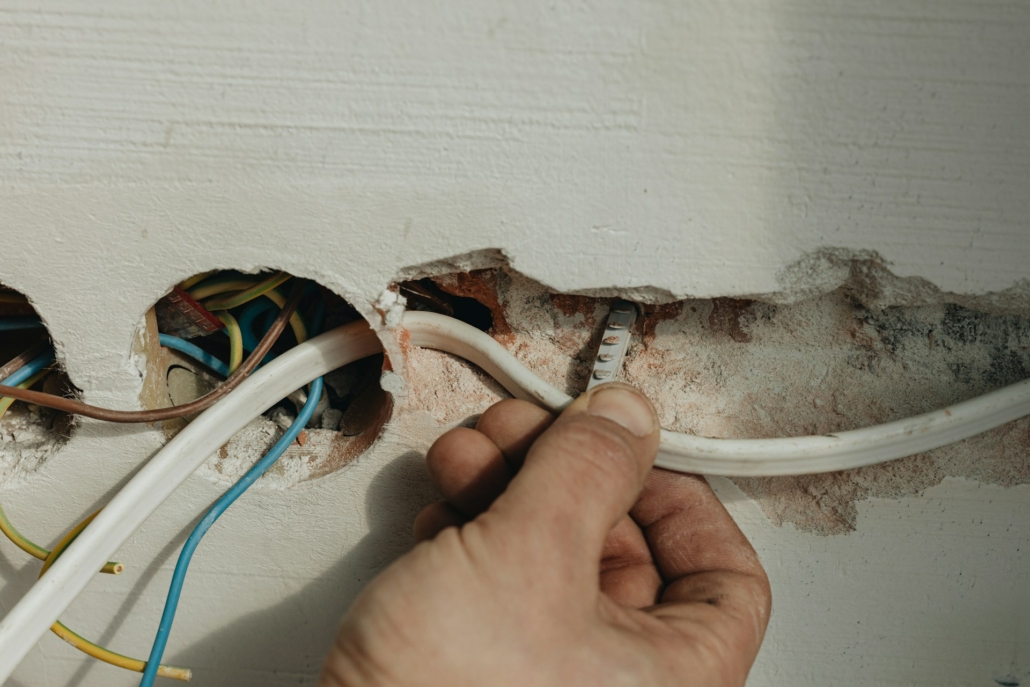
- Damaged or frayed cables from old extension cords or power tools
- Faulty appliances, especially those used heavily in summer like fans or AC units
- Water or moisture getting into outdoor power points or switches after heavy Brisbane storms
- Loose connections behind outlets, switches, or light fittings
In summer, we see a spike in electrical problems across South East Brisbane homes. That’s because humidity can creep into outdoor fittings, and the extra pressure from powering cooling systems can expose weak spots in your wiring. Thomas Blake Electrical provides a full scope of fault finding and repairs, helping homes and businesses catch dangerous electrical problems before they become a hazard.
Warning Signs You’ve Got a Problem
Some signs that you’re dealing with a short circuit are harder to ignore once you know what to look for. These hints often show up before anything major happens.
- Lights that flicker or dim when other appliances are turned on
- A burning smell near outlets or switches, even if it’s faint
- Switches that feel warm or make a faint crackling or buzzing noise
- Circuit breakers that trip for no clear reason, or won’t reset properly
These might seem small at first, but they’re your system trying to tell you something. Flickering lights don’t just mean a bad bulb, and a buzzing outlet isn’t something to live with. Most short circuits give off subtle warnings before turning into something obvious or damaging.
What Makes Short Circuits Dangerous
When left hanging around, even a small short circuit can quietly do damage. The longer it’s ignored, the more hidden trouble it’s likely to cause.
- Fire is the most serious risk. Heat builds up quickly where it shouldn’t, and that alone is enough to start a blaze behind a wall or above a ceiling.
- Appliances and electronics can get fried. If they’re plugged into a circuit that goes bad, damage often happens before the breaker has time to trip.
- Electric shocks are another concern. If wires are exposed and someone touches a switch or cord with a short in it, especially in a damp or outdoor area, the danger is real.
Not every short circuit sparks right away. Some simmer in the background, behind tiles, inside ceiling spaces, or under flooring, which is why it can feel like the issue came out of nowhere.
Situations That Call for a Professional
We’ve had many conversations with people who weren’t quite sure when small issues became a big deal. Here are signs you shouldn’t keep waiting.
- Your circuit breaker keeps tripping, and resets don’t hold for long
- You’ve noticed black or brown marks around switches, or melted plastic near plug points
- Something sparked when you turned it on, and now that section of the house has no power
Sometimes the issue sits deeper in the system than you can see from the outside. If power shuts off in one section of your home with no obvious reason, or something smells burnt but you can’t pinpoint where it came from, it’s best not to take chances. If you are in South East Brisbane, regular electrical safety checks are recommended, especially if your switchboard is older or has not been checked in a long time.
What Not to Do When You Suspect a Short Circuit
It’s really tempting to reset a breaker and hope it was just a fluke, but that move often hides the real fault. Short circuits don’t fix themselves. Here are a few things to avoid once you start noticing signs:
- Don’t keep using that outlet or switch, especially if it smells, sparks, or feels warm
- Don’t take off switch plates or poke around with a screwdriver if you’re unsure what you’re doing
- Don’t turn the power back on after a trip without knowing what caused it
Waiting it out or hoping it stops rarely works. In fact, the delay gives the issue time to become more dangerous or expensive. For safety, always use a licensed electrician who knows the local Brisbane standards for repairs and upgrades, as unlicensed electrical work is unlawful.
Don’t Leave Your Home’s Safety to Chance
A short circuit in electricity doesn’t always announce itself with drama. Often, it starts small, maybe a flicker here, a tripped breaker there, but every sign matters. Spotting trouble early can keep your home running safely through summer.
Brisbane heat and summer storms make this time of year harder on your wiring. Being aware of how your electrical system behaves can help prevent bigger issues later on. A quick once-over from a professional is always safer than hoping that buzzing switch fixes itself. When things look off, it’s time to act.
Power issues at home are best handled early, before small problems become bigger headaches. Our team at Thomas Blake Electrical is experienced in tackling all sorts of concerns that may be related to a short circuit in electricity, and these situations are rarely minor. Flickering lights, unusual smells, and tripping switches are clear indicators your Brisbane home needs a professional eye. Reach out to us today, and let our experts make sure your electrical system is safe and reliable.

